Find Local Massage Therapy for Stress Relief and Pain Support
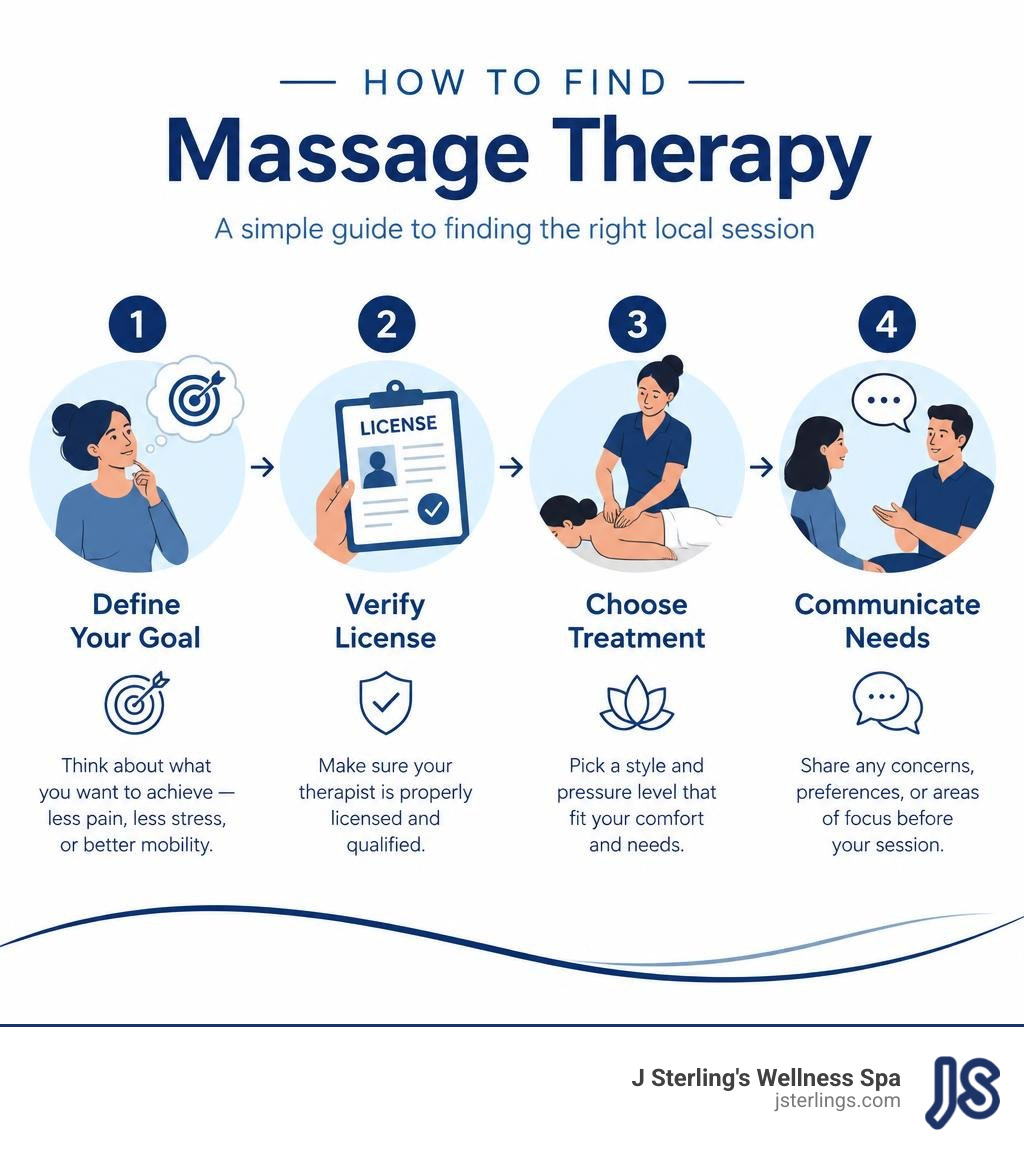
Massage therapy uses hands-on pressure and movement to work on muscles and other soft tissues. It can help ease muscle tightness, reduce stress, and provide short-term relief for common problems such as back, neck, and shoulder pain. To find the right local session, start by naming your goal, verify that the therapist is licensed, and choose a style and pressure level that fit your comfort.
Massage is not only a spa treat. It is also used as complementary care alongside medical treatment and physical rehabilitation. In 2022, 10.9% of U.S. adults reported using massage therapy, more than twice the share reported in 2002. Whether you want a calm monthly reset or focused help for stubborn tension, a qualified therapist can tailor the session to your needs.
I am Max Thakkar, MSc, MBA, Chief Marketing Officer at J Sterling’s Wellness Spa, where I have spent more than a decade helping make high-quality massage therapy more accessible to Orlando clients. This guide will help you choose a local provider, prepare for your session, and know what to expect.
What Is Massage Therapy and How Does It Work?
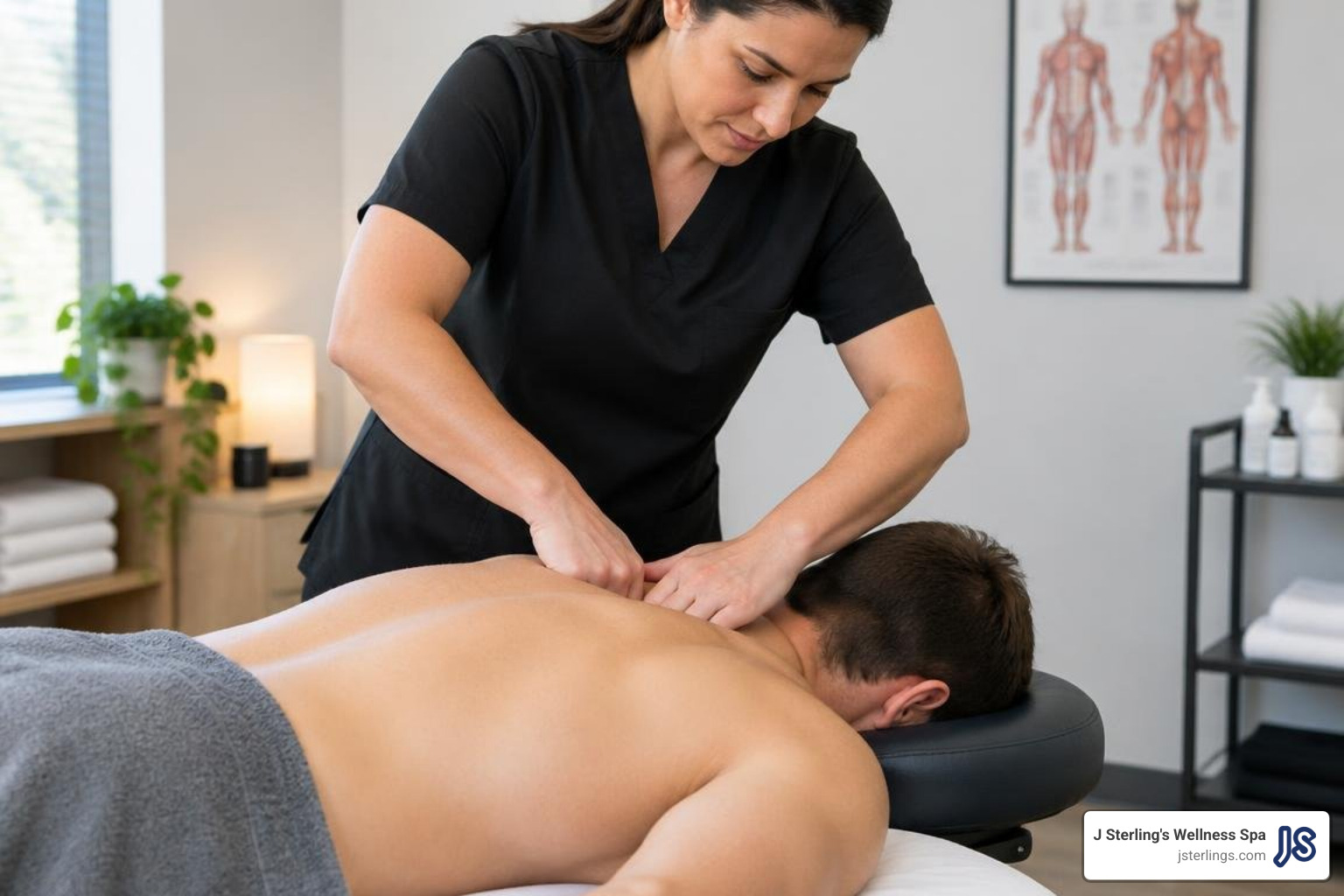
At its core, massage therapy is the systematic manipulation of the body’s soft tissues. A trained therapist applies controlled mechanical pressure using their hands, forearms, or elbows to mobilize muscles, tendons, ligaments, and connective fascia.
When muscles contract repeatedly or endure sustained tension from poor posture, microscopic adhesions form between muscle fibers. Skilled manual pressure helps soften these adhesions, allowing restricted tissue layers to slide smoothly against one another once again.
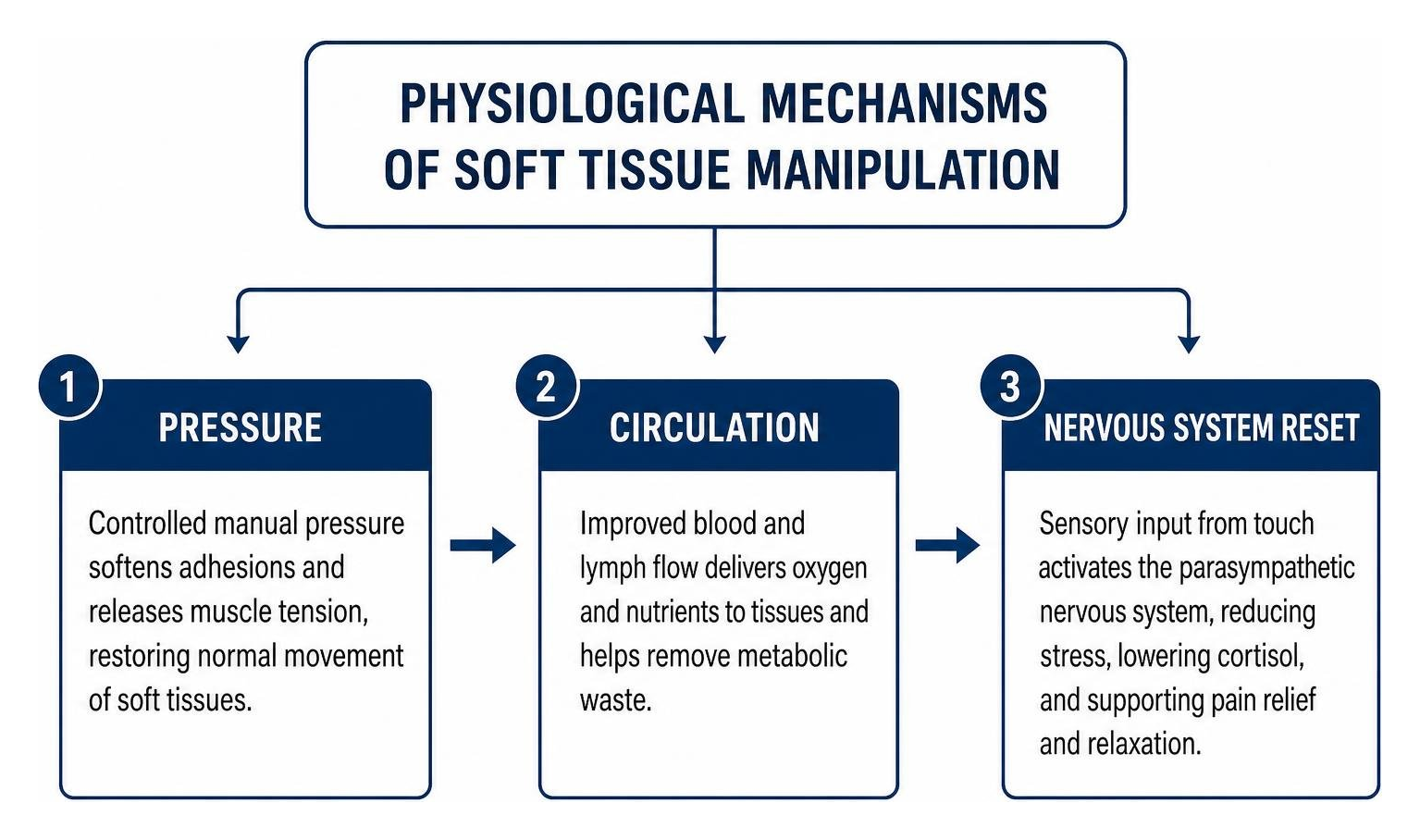
Beyond simple mechanical relief, soft tissue manipulation initiates profound biological changes:
- Parasympathetic Nervous System Activation: Hands-on touch stimulates sensory mechanoreceptors, shifting the central nervous system out of “fight-or-flight” mode and into rest-and-digest recovery.
- Hormonal Regulation: Clinical studies consistently show a meaningful reduction in systemic cortisol levels, lowering physiological stress.
- Endorphin and Serotonin Release: Manual therapy triggers natural neurochemical pathways that dull pain perception and elevate mood.
- Circulatory and Lymphatic Stimulation: Rhythmic compressions flush metabolic waste out of congested muscle beds while encouraging fresh, oxygenated blood and immune-boosting lymphatic fluid to circulate freely.
According to a Mayo Clinic overview on clinical soft tissue manipulation, manipulating these tissue systems provides valuable support for reducing stress, easing chronic muscle tightness, and supporting recovery alongside standard medical care.
Health Benefits and Clinical Evidence for Pain and Chronic Conditions
Over the past two decades, hands-on bodywork has evolved from an occasional luxury into an evidence-based clinical modality. In 2009, U.S. consumers spent an estimated $4 to $6 billion on visits to bodywork practitioners, a figure that surged past $12.1 billion within six years as medical communities recognized its holistic advantages. By 2024, approximately 1 in 4 women and 1 in 5 men received regular bodywork.
Extensive clinical research compiled by the NCCIH research on pain management and clinical efficacy confirms that hands-on soft tissue therapy provides measurable relief for several persistent physical challenges:
- Musculoskeletal Pain Relief: Softens localized trigger points and reduces muscular guarding around irritated joints.
- Restored Range of Motion: Lengthens chronically shortened muscle fibers, improving functional mobility and flexibility.
- Immune System Enhancement: Boosts natural killer cell activity and accelerates lymphatic clearance.
- Sleep Quality Restoration: Calms autonomic arousal, helping chronic pain sufferers achieve deeper, restorative REM cycles.
- Oncology and Post-Surgical Supportive Care: In hospital settings, gentle touch helps manage post-operative pain, eases nausea, and alleviates procedural anxiety.
Evidence-Based Relief for Back Pain, Headaches, and Fibromyalgia
The clinical impact of manual bodywork is backed by rigorous studies:
- Low-Back Pain: Clinical practice guidelines issued by the American College of Physicians explicitly recommend massage therapy as a non-pharmacological first-line approach for acute and subacute low-back pain. A systematic review of 25 clinical trials demonstrated substantial short-term improvements in both pain severity and daily functional capacity.
- Tension Headaches and Migraines: Targeted work across the suboccipital muscles, neck, and upper trapezius helps reduce myofascial trigger points that refer pain upward into the scalp. Clinical trials have recorded marked decreases in weekly headache frequency and intensity.
- Knee Osteoarthritis: Systematic reviews show that 60-minute Swedish sessions received once or twice weekly significantly lessen joint stiffness and knee discomfort while improving walking distance.
- Fibromyalgia Management: A meta-analysis of clinical trials revealed that when patients complete consistent protocols spanning at least five weeks, they experience meaningful reductions in widespread pain, anxiety, and depressive symptoms.
Specialized Soft Tissue and Abdominal Protocols
While back and shoulder work receive the most attention, specialized bodywork protocols deliver targeted relief throughout the body. For example, therapists utilize targeted spot work and myofascial release to address surgical scar adhesions or pelvic postural imbalances.
Specialized techniques also extend to core visceral health. Understanding clockwise or counterclockwise stomach massage direction is vital because working in harmony with the natural anatomical path of the colon promotes digestive motility, eases cramping, and reduces abdominal bloating. For those interested in self-care between professional spa appointments, learning gentle abdominal massage techniques provides simple methods for daily digestive comfort.
Popular Modalities: Choosing Between Clinical and Relaxation Treatments
With over 80 distinct manual modalities practiced globally, selecting the appropriate modality depends on your current physical condition and therapeutic goals.
| Modality | Pressure Level | Primary Techniques Used | Best For |
|---|---|---|---|
| Swedish Massage | Light to Medium | Long gliding strokes (effleurage), kneading (pétrissage), circular friction | Stress relief, improving circulation, first-time spa clients |
| Deep Tissue Massage | Firm to Deep | Slow strokes, sustained cross-fiber friction, direct pressure | Chronic back spasms, postural tension, dense muscle knots |
| Sports Massage | Varied (Light to Deep) | Compression, assisted stretching, fast friction | Pre-event priming, post-workout recovery, injury prevention |
| Trigger Point Therapy | Targeted / Focused | Sustained ischemic finger compression on hyperirritable nodules | Referred pain patterns, tension headaches, localized spasms |
When designing a comprehensive self-care regimen, comparing different spa treatments helps you pair manual muscle work with revitalizing facials or waxing for total-body wellness.
Medical and Therapeutic Massage Therapy vs. Relaxation
While every massage offers soothing elements, there is an important clinical distinction between general relaxation visits and outcome-driven medical sessions.
Relaxation massage focuses on systemic stress relief using continuous, soothing strokes in an ambient, quiet environment. In contrast, therapeutic or medical massage addresses a specific physician-diagnosed condition, sports injury, or postural dysfunction.
Therapists performing medical bodywork conduct orthopedic assessments, develop multi-week care plans, and use advanced myofascial manipulation to rehabilitate injured tissues. As detailed in Cleveland Clinic guidance on medical massage benefits, clinical soft tissue work acts as a powerful complement to physical therapy, chiropractic adjustments, and post-surgical rehabilitation programs.
Session Frequency, Health Precautions, and Contraindications
Your ideal appointment frequency depends entirely on your health goals and lifestyle demands:
- General Wellness and Maintenance: A 60- to 90-minute monthly session maintains joint mobility, keeps resting cortisol in check, and relieves routine desk-worker tension.
- Chronic Pain and Postural Correction: Bi-weekly sessions over a four- to six-week period produce cumulative soft tissue changes, retraining chronically shortened muscle groups.
- Acute Injury Recovery or Athletic Training: Weekly 30- to 60-minute focused sessions deliver rapid inflammation reduction and prevent compensatory movement dysfunctions.
Precautions, Side Effects, and Contraindications
Massage therapy is exceptionally safe when administered by a licensed professional, but direct mechanical pressure is not appropriate for every health condition.
Common, mild side effects include light muscular soreness or minor fatigue for 24 to 48 hours following deep pressure work. However, serious medical contraindications require close attention. According to the Merck Manual clinical contraindications and special populations, bodywork must be modified or avoided under specific circumstances:
- Active Deep Vein Thrombosis (DVT): Direct pressure on blood clots risks dislodging a thrombus into the bloodstream.
- Severe Thrombocytopenia and Bleeding Disorders: Low platelet counts increase the risk of internal tissue bruising and hematoma formation.
- Advanced Osteoporosis: Heavy compressive forces must be avoided to eliminate the risk of bone fractures.
- Uncontrolled Metastatic Cancer: Deep pressure must not be applied over active bone tumors or compromised organ sites.
- Recent Surgeries, Open Wounds, or Acute Infections: Local work should be avoided until surgical incisions fully heal and systemic fevers resolve.
Always disclose your full medical history during intake so your therapist can adapt their pressure and techniques safely.
Step-by-Step Guide to Booking, Preparing, and Aftercare
To get the most out of your bodywork session, follow this step-by-step preparation and recovery process:
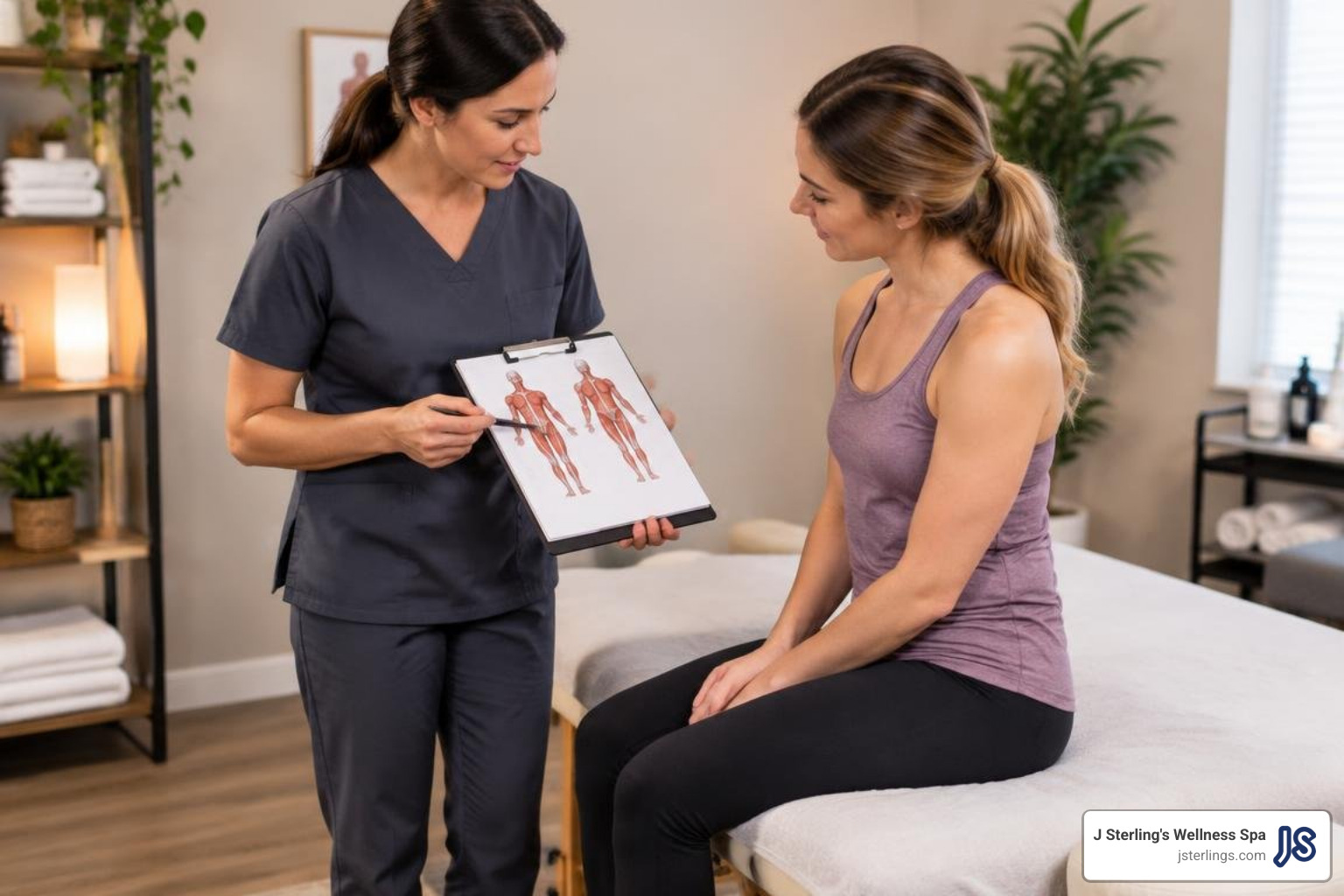
- Set Clear Goals: Decide whether you need full-body stress reduction, targeted neck relief, or athletic recovery.
- Complete a Detailed Intake: Arrive 10 to 15 minutes early to disclose medical conditions, past injuries, and pressure preferences.
- Communicate During the Session: Always speak up if the pressure feels too intense. Therapeutic work should feel productive, never intolerably painful.
- Hydrate Thoroughly Afterward: Drink plenty of water to help your kidneys process metabolic byproducts released during deep muscle work.
- Avoid Immediate High-Intensity Workouts: Give your muscle fibers at least 12 to 24 hours of rest before heavy weightlifting or intense running.
- Take a Warm Shower or Bath: Soaking in warm water or applying gentle heat extends muscle relaxation and soothes post-treatment tenderness.
How to Vet Licensed Providers for Massage Therapy
When booking an appointment, verify that your practitioner holds valid state licensure. In Florida, professional therapists must graduate from a state-approved educational program, pass the standardized Massage & Bodywork Licensing Examination (MBLEx), clear background screenings, and complete mandatory biennial continuing education units in safety and ethics.
Quality bodywork should always remain accessible. When exploring local wellness options, you can find high quality affordable massage spa services that balance professional expertise with pocket-friendly pricing. If you value supporting inclusive and community-oriented businesses, discovering inclusive wellness spas ensures your self-care routine aligns with community empowerment.
Frequently Asked Questions
What is the average cost of a professional session?
The baseline cost for a standard 60-minute massage in the United States averages approximately $60 to $100 per hour, depending on the setting and regional market. Resort spas often charge $150 or more, whereas dedicated neighborhood wellness centers provide competitive membership rates and multi-session packages. A standard 15% to 20% gratuity is customary for exceptional personalized care.
Is medical massage covered by health insurance?
Coverage depends on your specific insurance provider, policy details, and regional regulations. When prescribed by a physician, chiropractor, or orthopedist with specific diagnosis codes (such as those for motor vehicle accident claims or workers’ compensation), therapeutic bodywork is frequently reimbursable. Contact your insurance administrator to verify your out-of-network benefits and prescription requirements before booking.
What should you avoid doing immediately after a treatment?
Avoid strenuous cardiovascular workouts, heavy strength training, high-temperature saunas, and excessive alcohol or caffeine intake immediately after a session. Because deep tissue manipulation produces micro-changes in your muscles, subjecting them to intense physical stress right away increases the risk of muscle strains, inflammation, and dehydration headaches.
Conclusion
Whether you are navigating chronic low-back pain, recovering from athletic training, or resetting after a demanding workweek, evidence-based manual therapy provides dependable, drug-free relief. Consistent soft tissue care calms the nervous system, restores functional range of motion, and enhances overall physical vitality.
Take proactive control of your wellness today. Schedule your customized, budget-friendly therapeutic session with our team of licensed professionals at J Sterling’s Wellness Spa, proudly serving clients across Altamonte Springs, Winter Park, Lake Mary, Orlando, Waterford Lakes, Clermont, and St. Cloud.