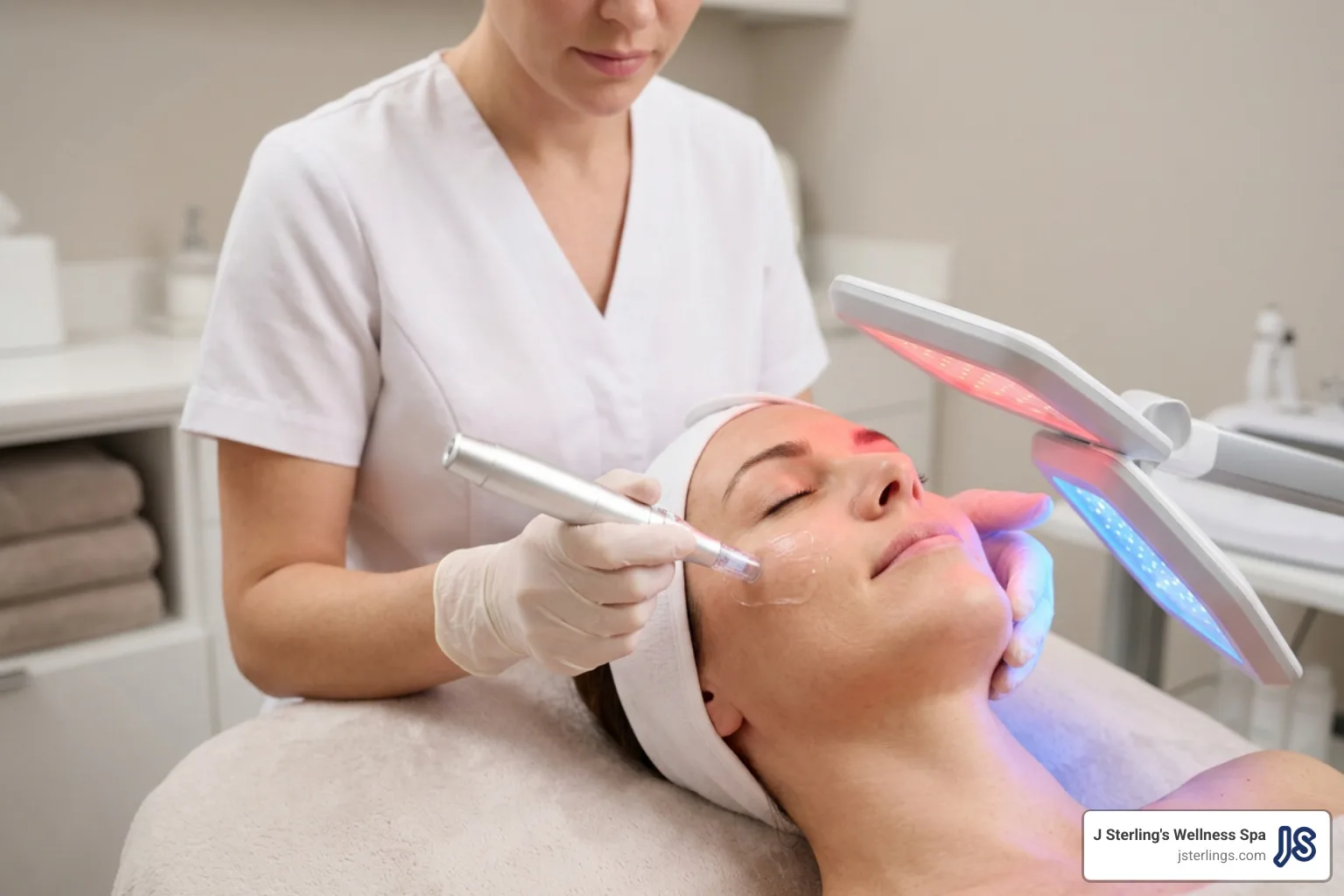
What Is Abdominal Therapy and How Does It Work?
Abdominal therapy is a targeted manual technique designed to relax the muscular wall of the belly and mechanically encourage tissue motility within the gastrointestinal tract. Historically rooted in traditional Japanese ampuku—a practice centering on abdominal reflex zones to ease internal tension and balance vital energy—modern abdominal care combines physical therapy principles with basic gastrointestinal anatomy.
At its core, performing a stomach massage works by following the physical structure of your large intestine. The colon forms an upside-down U shape inside your belly: starting in the lower right abdomen (ascending colon), rising up toward the right rib cage, sweeping across the upper abdomen (transverse colon), and descending down the left side toward your pelvis (descending colon).
When gentle, directional pressure is applied along this path, it physically prompts trapped gas bubbles and intestinal waste to move forward. This wave-like muscular contraction generated by your GI tract is known as peristalsis.
Beyond manual displacement, abdominal manipulation activates the parasympathetic nervous system via the vagus nerve. By shifting your nervous system out of a high-stress “fight-or-flight” state and into “rest and digest,” the smooth muscles surrounding your stomach and intestines relax. This neurological transition lowers internal resistance, improves localized blood circulation, and supports overall digestive ease. To learn more about what happens during a professional session, read our guide on what to expect during a massage, or review this helpful WebMD guide to belly massage for digestive health.
The Health Benefits of Stomach Massage: What Research Shows
Scientific literature highlights several distinct benefits when abdominal manual therapy is practiced consistently. Rather than relying on ancient wisdom alone, modern clinical trials offer solid empirical evidence:
- Relief from Constipation and Faster Transit: A 2016 study found that individuals receiving regular abdominal massages experienced reduced post-surgery constipation symptoms, higher bowel movement frequency, and shorter wait times between bowel movements compared to control groups.
- Measurable Reduction in Bloating and Fluid: A 2018 clinical trial evaluated participants receiving a 15-minute abdominal massage twice daily over three days. The results showed significant improvements in digestive comfort, reduced stomach liquid volume, decreased abdominal circumference, and less constipation.
- Enhanced Mental Well-Being: A 2015 study demonstrated that 15-minute abdominal sessions twice daily for three days noticeably lowered perceived abdominal bloating while improving anxiety, depression, and overall mood scores.
- Long-Term Digestibility and Appetite Improvements: A 2018 randomized controlled trial reported that 75% of participants who practiced daily abdominal self-care for six weeks had less bloating, more complete bowel evacuation, and improved appetite. Interestingly, a separate study noted that 85% of study participants continued their daily abdominal self-care even after trial periods ended.
If you suspect your body is overdue for manual bodywork, check out these 8 obvious signs your body needs a massage. For further research insights, explore the comprehensive Healthline research on stomach massage.
How to Perform Abdominal Massage in 7 Simple Steps
Learning self-administered stomach massage at home is straightforward when broken down into logical phases. Follow this step-by-step sequence to relieve gas, reduce bloating, and foster gut relaxation.
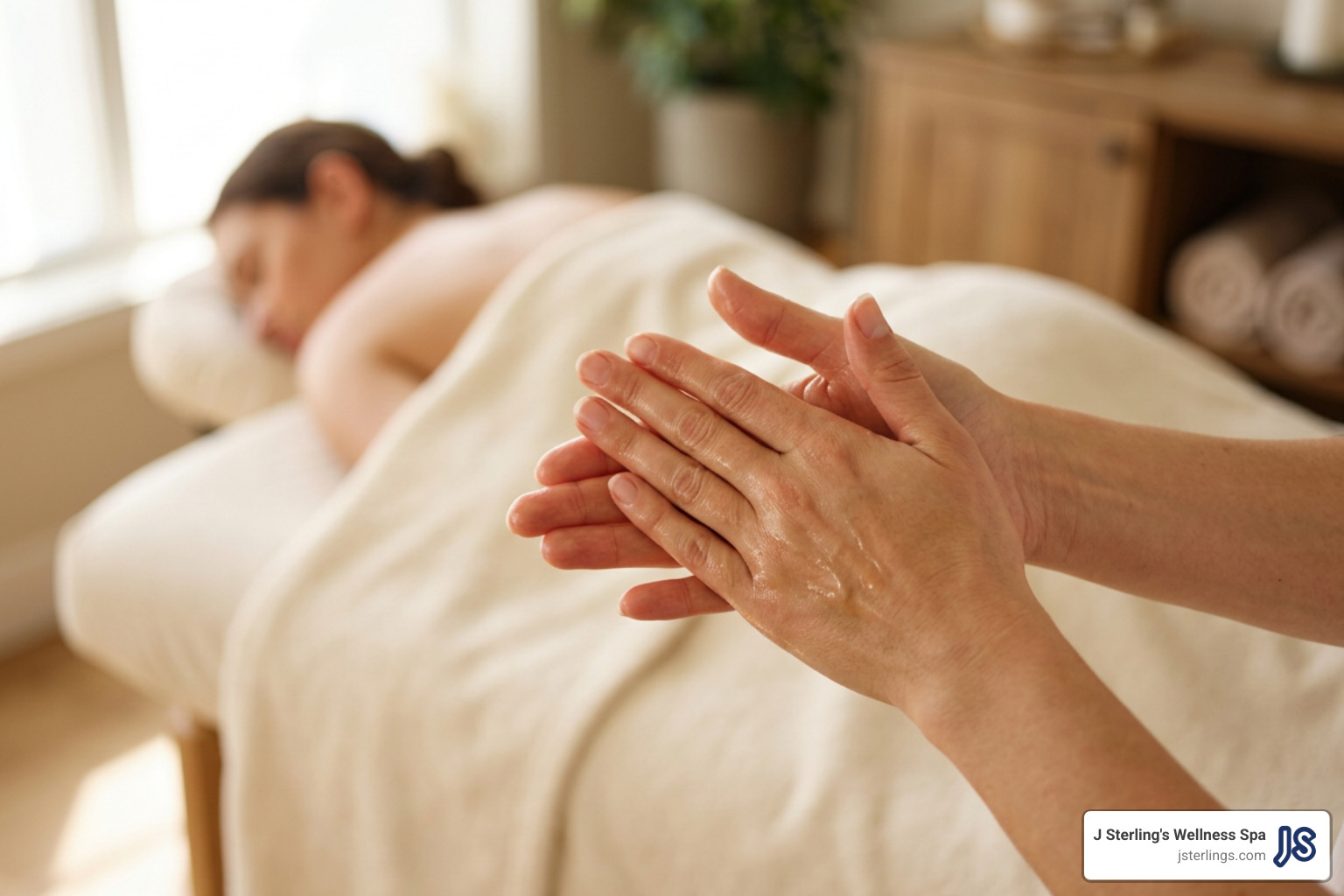
Step 1: Prepare Your Body, Posture, and Essential Oils
Find a calm, comfortable space where you can lie down flat on your back (the supine position) on a bed, couch, or yoga mat. Bend your knees slightly and place a pillow beneath them; this releases tension in your lower back and relaxes your abdominal wall muscles completely.
Ensure the room is warm, clean your hands thoroughly, and rub them together for 30 seconds to generate natural warmth. Apply a few drops of skin-friendly oil—such as jojoba, sweet almond, or fractionated coconut oil—to lubricate the skin and prevent uncomfortable friction during strokes.
Step 2: Initiate the Gentle Clockwise Warm-Up Pass
Rest both hands overlapped flat against your lower belly near your belly button. Take three slow, deep abdominal breaths to calm your nervous system.
Begin making wide, sweeping, light circular motions across your whole abdomen in a strict clockwise direction. Always move clockwise—up the right side, across the top, down the left side, and across the bottom—because counterclockwise movements can work against your gut’s natural flow. Perform these light warming circles for 1 to 2 minutes until the skin feels warm and the belly muscles relax.
Step 3: Trace the Horseshoe Colon Path
Transition from surface warm-ups to targeted intestinal tracing using moderate, comfortable pressure.
- Place your fingers on the lower right side of your abdomen (near your right hip bone).
- Press gently and glide your hands upward to just under your right rib cage (ascending colon).
- Sweep straight across your upper abdomen over to the left rib cage (transverse colon).
- Slide down the left side of your stomach to your left hip bone (descending colon).
Repeat this full horseshoe tracing sequence 4 to 6 times. For detailed background on clinical protocols, consult the Better Gut Daily clinical research insights.
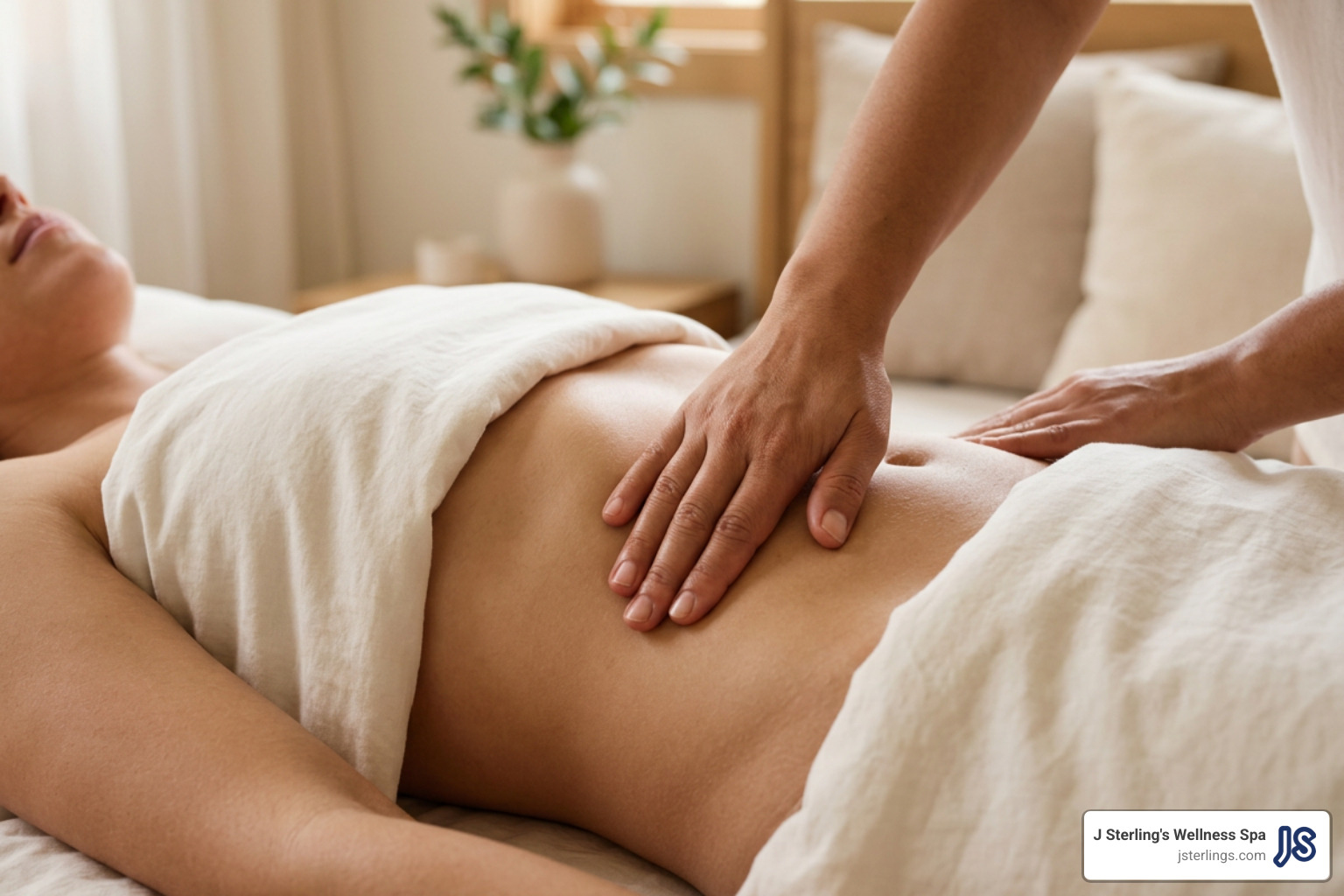
Step 4: Master the ILU Stomach Massage Method
The ILU, or “I Love You,” technique is the gold standard of digestive self-care. It physically mimics the letters I, L, and U across your belly relative to your perspective looking down:

- The ‘I’ Stroke: Stroke straight downward from under your left rib cage down to your left hip bone 10 times. This empties the descending colon first, clearing space for remaining waste.
- The ‘L’ Stroke: Start under your right rib cage, stroke horizontally across to your left rib cage, and then immediately down to your left hip bone 10 times (drawing an upside-down ‘L’).
- The ‘U’ Stroke: Start at your lower right hip bone, stroke upward to your right rib cage, across your upper stomach to your left rib cage, and downward to your left hip bone 10 times (tracing an inverted ‘U’).
For further details on this sequence, review the Whole Body Health guide on the ILU technique.
Step 5: Target Navel Trigger Points and Small Intestine
While the large intestine runs along the perimeter of your abdomen, your small intestine rests centrally around your belly button (navel). Place your index and middle finger pads roughly one inch to the right of your navel. Press inward firmly (without causing sharp discomfort) and perform small circular friction motions.
Gradually spiral outward from your navel in expanding clockwise circles out to 2 or 3 inches. If you encounter a localized spot that feels tight, knotty, or tender, hold steady, gentle pressure on that point for 10 to 15 seconds while taking slow breaths until you feel the tissue soften.
Step 6: Integrate Diaphragmatic Breathing and Cool-Down
As you wrap up your manual strokes, focus on your breath. Inhale deeply through your nose for a count of four, letting your belly inflate like a balloon against your resting hands. Exhale slowly through your mouth for a count of six as your navel sinks gently toward your spine.
Synchronizing deep diaphragmatic breathing with light, feather-touch sweeping strokes across your abdomen encourages your nervous system to stay relaxed, signaling your intestinal muscles to continue rhythmic contractions.
Step 7: Post-Session Hydration and Dietary Care
Once your massage is complete, slowly roll to your side and push yourself up into a sitting position. Drink a full 8-to-12-ounce glass of room-temperature water or warm herbal tea right away. Proper hydration helps your kidneys clear metabolic waste and softens stool within the colon.
Avoid eating heavy, greasy, or spicy foods for at least 1 to 2 hours after your session to give your digestive system time to rest and process smoothly.
Practice Guidelines: Pressure, Timing, and Modalities
How Long and How Often to Perform a Stomach Massage
Consistency yields the best outcome when performing abdominal care:
- Session Duration: Aim for 5 to 15 minutes per session. Sessions lasting up to 20 minutes are ideal if addressing persistent constipation.
- Daily Frequency: Practice 1 to 2 times daily. Performing a routine in the morning after a warm drink or in the evening before bed works exceptionally well.
- Relief Expectations: Most individuals experience initial gas release or acute bloating comfort within 15 to 30 minutes after a session.
- Cumulative Results: Meaningful improvements in bowel regularity and reduced bloating frequency typically require 2 to 4 weeks of consistent daily practice.
Self-Care vs Professional Massage Therapy
While DIY self-care is fantastic for home management, professional therapy offers specialized depth and expertise.
| Feature | Self-Administered Gut Care | Professional Spa Abdominal Therapy |
|---|---|---|
| Primary Focus | Daily symptom upkeep and mild gas release | Deep muscular release, stress management & posture |
| Pressure Control | Light to moderate intuitive self-touch | Precision pressure adapted to tissue resistance |
| Technique Variety | Basic clockwise circles and ILU strokes | Integrated skin rolling, wringing, & neuromuscular work |
| Relaxation Level | Requires self-effort and attention | Total physical and mental nervous system unwind |
| Recommended Schedule | Daily for 5–15 minutes | Bi-weekly or monthly wellness visits |
If deep tension across your core is holding you back, combining your daily self-care routine with professional deep tissue massage can unlock severe tightness. For more insights on holistic bodywork, review the AIAM guide on abdominal wellness.
Safety Guidelines, Risks, and Medical Contraindications
While performing a stomach massage is safe for most healthy adults, applying physical pressure to the abdominal cavity is inappropriate under certain medical circumstances. Always exercise caution and respect contraindications:
- Recent Abdominal Surgery: Do not perform abdominal massage if you have had belly surgery within the past 6 to 8 weeks, or until your surgeon explicitly clears you, to prevent internal organ strain or wound disruption.
- Pregnancy Precautions: Pregnant individuals must avoid deep home abdominal manipulation. Specialized, gentle side-lying techniques should only be performed by a practitioner trained in prenatal massage.
- Active Inflammatory Bowel Disease (IBD): Avoid massage during active flare-ups of Crohn’s disease, ulcerative colitis, or severe spastic colon IBS.
- Hernias and Aneurysms: Never apply pressure over an active abdominal hernia, abdominal aortic aneurysm, or unhealed scar tissue.
- Unexplained Acute Pain or Fever: If you experience severe, sharp, or sudden belly pain, nausea, vomiting, or fever, seek urgent medical evaluation rather than massaging the area.
- Underlying Organ Conditions: Individuals with gallstones, stomach ulcers, kidney disease, active infections, or abdominal cancers should consult a physician before attempting bodywork.
Frequently Asked Questions About Abdominal Care
Can abdominal therapy relieve severe chronic constipation?
Yes, clinical studies indicate that regular abdominal manipulation helps stimulate sluggish gut motility, increases bowel movement frequency, and reduces transit time. However, for chronic issues, massage should be paired with proper hydration, dietary fiber, and guidance from a doctor.
Is abdominal self-care safe during pregnancy or after surgery?
Self-administered abdominal massage is generally not recommended during pregnancy or immediately following abdominal surgery. Pregnant individuals should seek specialized prenatal care, while post-surgical patients require medical clearance from their surgeon before receiving massage.
How quickly will I experience digestive relief after a session?
Many people notice gas passing, stomach gurgling (audible peristalsis), or acute bloating relief within 15 to 30 minutes after finishing a session. Long-term regular bowel habits usually establish over 1 to 2 weeks of daily practice.
Conclusion
Mastering a gentle stomach massage routine is one of the simplest, most empowering self-care habits you can cultivate for ongoing digestive wellness. By understanding your colon’s natural path, applying the proven ILU technique, and honoring proper safety precautions, you can take immediate action whenever mild gas, bloating, or sluggish digestion strikes.
When you’re looking to complement your home self-care routine with professional care, our team at J Sterling’s Wellness Spa is here to help. Across our locations—including Altamonte Springs, Clermont, Lake Mary, Orlando, Winter Park, St. Cloud, and Waterford Lakes—our licensed massage therapists are dedicated to providing top-tier, affordable luxury tailored to your body’s unique needs.
Ready to dive deeper into practical techniques? Explore our detailed step-by-step guide on how to massage your stomach to relieve gas or book your next relaxation treatment with us today!