Can Facial Extractions Be Part of an Enjoyable Facial?
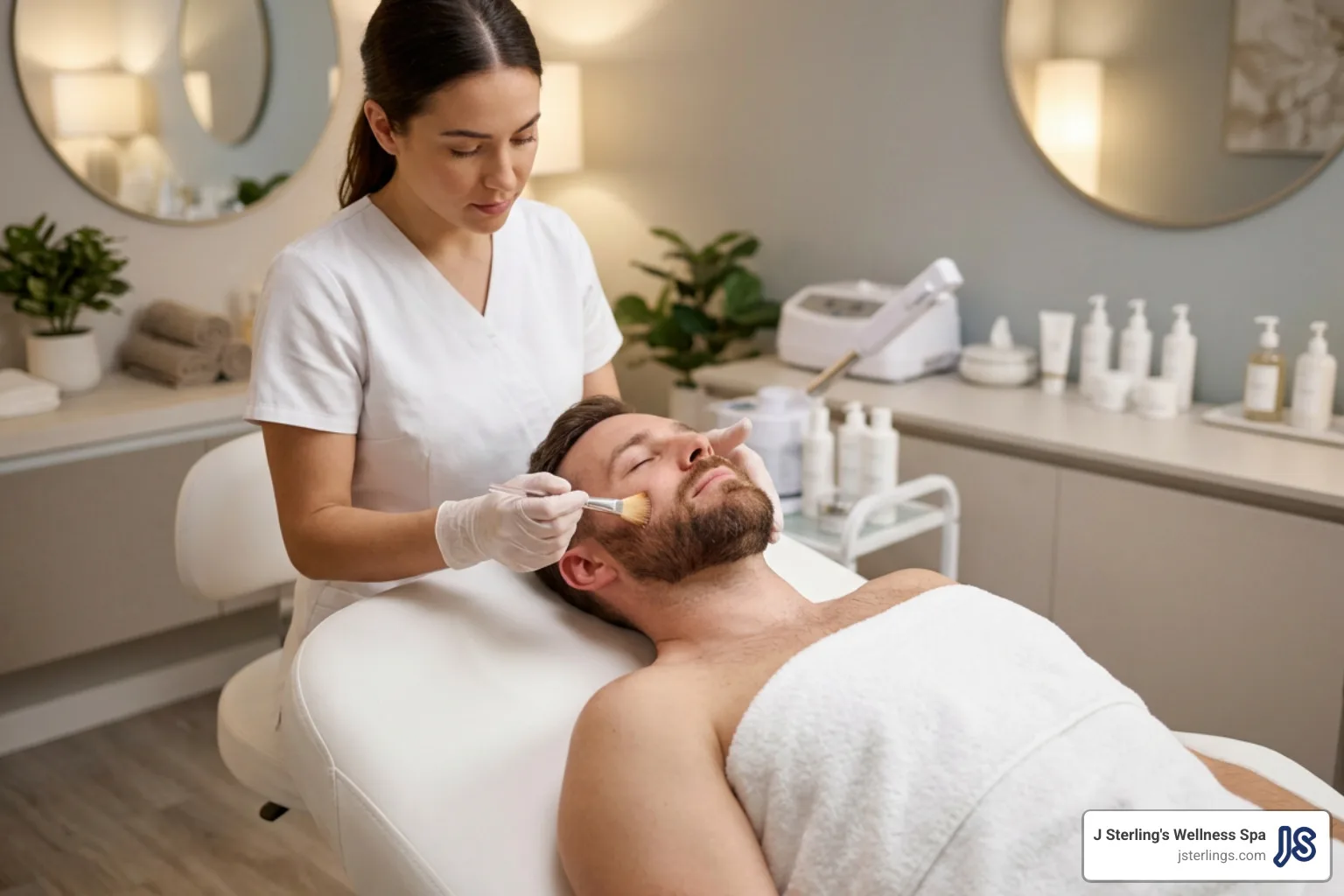
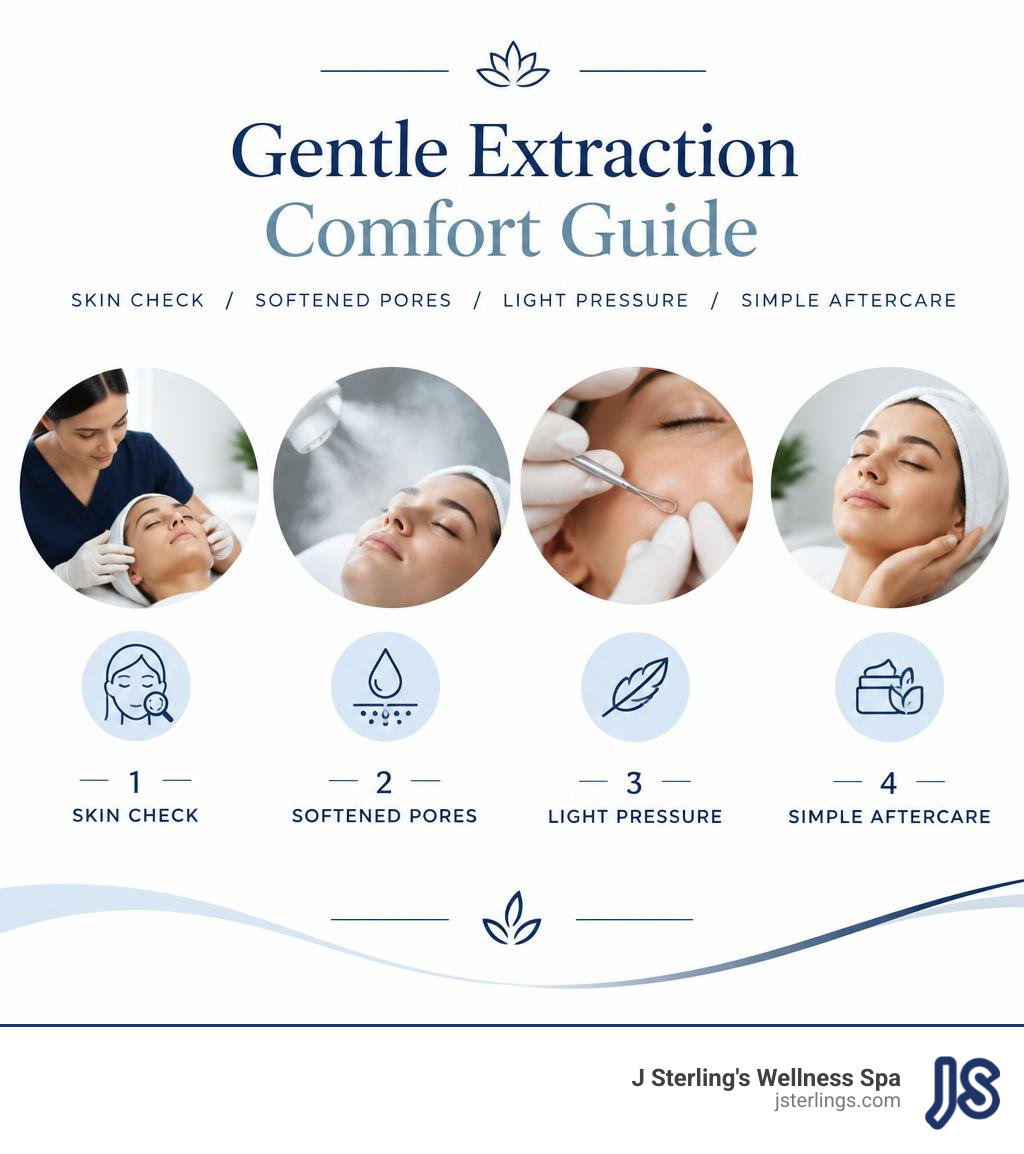
Yes. An enjoyable facial extraction should feel like brief, tolerable pressure, not sharp or lasting pain. A skilled professional checks your skin, softens clogged pores, and uses gentle pressure. If an area hurts or does not clear easily, they should stop rather than force it.
Some redness afterward is normal and often fades within a day. To help your skin recover, keep your routine gentle and avoid picking at treated spots. The goal is clearer pores without turning a relaxing facial into a painful one.
I’m Max Thakkar, MSc, MBA, and I’ve spent more than a decade helping J Sterling’s Wellness Spa improve the client experience. I bring that customer-first perspective to the “facial extraction enjoyable facial” question: what should the treatment feel like, and when should you speak up?
Transforming Facial Extraction into an Enjoyable Facial Experience
For many people, the phrase “pore extraction” brings to mind watery eyes, white-knuckled gripping of the treatment table, and blotchy skin. It does not have to be that way. Clearing out congested pores can be seamlessly integrated into a soothing, restorative spa visit. The secret lies in thorough preparation.

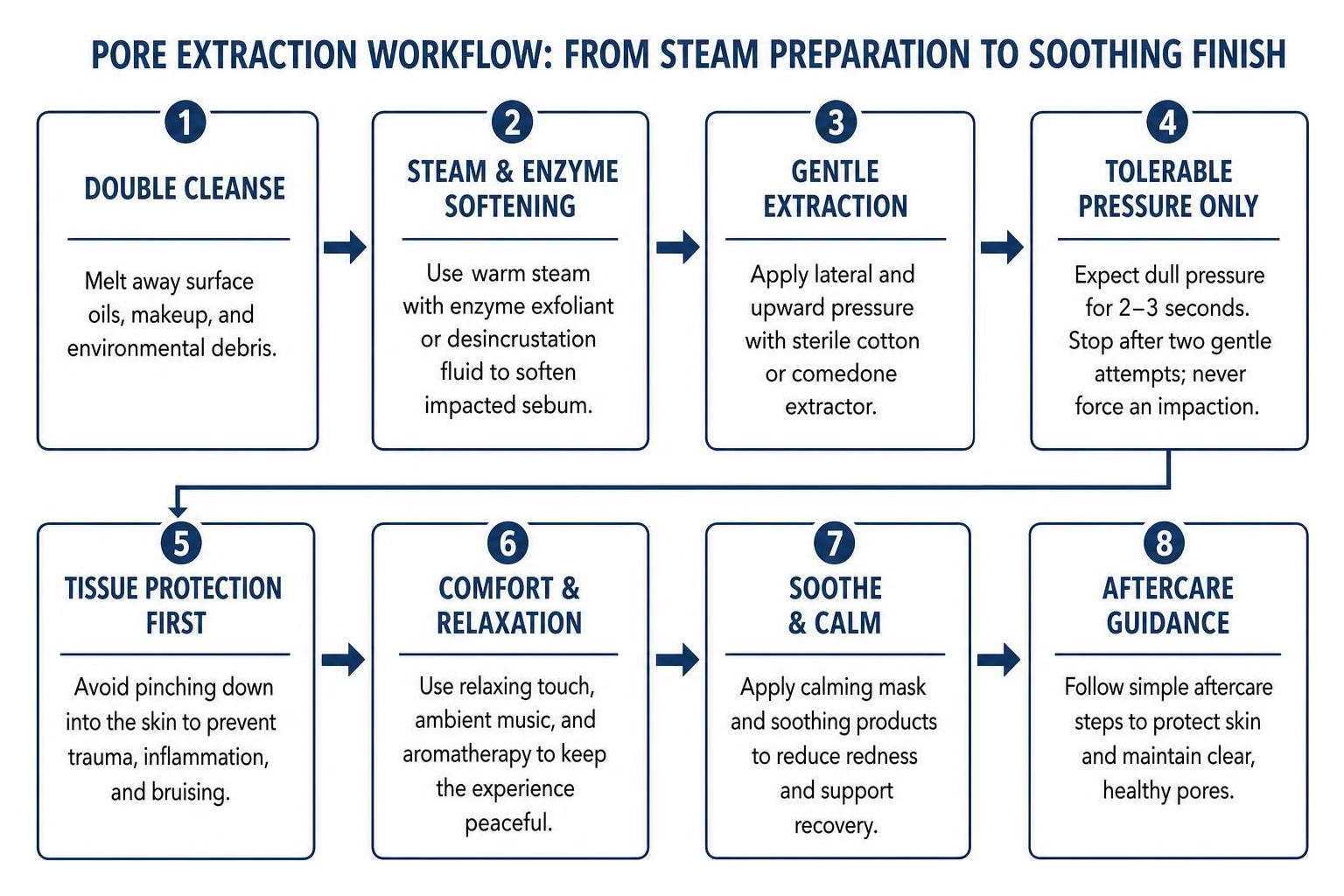
When you arrive at our treatment rooms, we never jump straight into clearing blemishes on dry, unprepared skin. That approach causes unnecessary pain and can damage delicate tissue. Instead, we begin with a double-cleansing protocol to melt away surface oils, makeup, and environmental debris.
Next, we introduce warm facial steam alongside an enzyme exfoliant or a specialized desincrustation fluid. This alkaline solution helps saponify—or soften—hardened sebum trapped inside your follicular canals. Think of extractions as a gentle “reset button” for your pores; when the sebum plug is warmed and loosened, it slides out with minimal resistance. Combined with ambient music, aromatherapy, and relaxing touch, preparing the skin transforms what used to be a stressful procedure into a deeply comforting ritual.
Why Professional Facial Extraction Makes for an Enjoyable Facial
The difference between a painful ordeal and a smooth treatment comes down to professional technique and tissue protection. Licensed estheticians understand facial anatomy, the angle of hair follicles, and the exact amount of perimeter pressure required to lift an impaction.
When performed properly, a professional uses fingers wrapped in sterile cotton or a sanitized stainless steel comedone extractor. Rather than pinching downward into the dermis, the force is applied laterally and upward. Academic research on facial expression analysis and comfort shows that subtle muscle movements in the face immediately reflect stress and discomfort levels. In a clinical spa setting, an attentive esthetician reads these non-verbal cues in real time, adjusting their touch and pausing whenever necessary to ensure your visit remains peaceful.
Tolerable Pressure vs. Unnecessary Pain
It helps to know what sensations are normal during your service. You should feel localized, dull pressure for two to three seconds as a pore is cleared. If you feel like your skin is being pinched by a tiny vampire, that brief sensation is simply the mechanical release of the plug.
However, you should never experience sharp, unbearable, or lingering pain. Aggressive squeezing compresses sensitive nerve endings, ruptures the follicle wall beneath the surface, and sparks acute inflammation. If an impaction does not release after two gentle attempts, our philosophy is to leave it alone for that session. Forcing a stubborn blemish leads to bruising and capillary damage, defeating the entire purpose of a restorative spa treatment.
Professional vs. DIY Extractions: Safety and Results
We have all stood in front of a bathroom mirror tempted to pop a noticeable spot. DIY extractions might feel momentarily satisfying—almost like popping bubble wrap—but doing it at home carries significant risks.
Without proper lighting, sterile implements, and skin softening solutions, at-home squeezing pushes bacteria deeper into the dermis. This turns a simple blackhead into an inflamed papule or pustule. The American Academy of Dermatology highlights that improper squeezing can lead to permanent scarring and post-inflammatory hyperpigmentation.
When you review your skincare investments by comparing facial service options, professional treatments provide far greater safety and value. While an appointment with a medical dermatologist for targeted extractions commonly costs around $200, receiving regular care from a licensed esthetician averages around $80 and includes full-face cleansing, exfoliation, massage, and calming masks.
| Feature | Professional Esthetician Extraction | DIY At-Home Extraction |
|---|---|---|
| Pore Preparation | Warm steam, enzymes, desincrustation | Hot water splash or none |
| Sanitation Level | Hospital-grade disinfectants, gloves | Unwashed hands, household tools |
| Discomfort Level | Mild, brief pressure (2–3 seconds) | Moderate to severe pain from pinching |
| Risk of Scarring | Extremely low | High due to fingernail tearing |
| Post-Care Support | Targeted serums, cooling masks, LED | Basic household lotions |
| Typical Cost | ~$80 (includes full luxury facial) | $0 upfront (potential repair costs later) |
Blemishes Safe for At-Home Care vs. Professional Extraction
Not every blemish is created equal. Understanding what you can safely touch versus what must be left to a professional is essential for maintaining clear skin.
- Open Comedones (Blackheads): These have a wide surface opening where sebum has oxidized and darkened. Because the pore canal is open, they are the safest type of blemish to manage.
- Closed Comedones (Whiteheads): These feature a thin layer of skin covering trapped oil and dead cells. They require precise, professional pressure so you do not tear the epidermal roof.
- Cysts and Nodules: Deep, painful, red bumps that sit far beneath the skin surface. Never attempt to extract these at home or at a day spa; they contain no direct exit route and require medical dermatological care.
- Milia: Tiny, hard, keratin-filled cysts that resemble white pearls under the skin. They require a tiny micro-lancet incision by a trained professional to release safely without scarring.
For daily maintenance between appointments, following a practical guide to a basic facial care routine keeps your skin clean and minimizes the buildup of both open and closed comedones.
Safe At-Home Blackhead Extraction Techniques
If you must address a stubborn blackhead at home between professional visits, follow this careful, conservative method to avoid skin damage:
- Cleanse thoroughly: Wash your face with a gentle, sulfate-free cleanser and warm water.
- Soften the skin: Take a warm shower or place a damp, warm washcloth over the area for 5 to 10 minutes.
- Sanitize everything: Wash your hands with antibacterial soap. Never use bare fingernails. Wrap two cotton swabs (Q-tips) or your index fingers in clean facial tissues.
- Apply rolling pressure: Place the swabs on either side of the blackhead. Press gently downward and roll inward toward the blemish.
- Follow the three-try rule: If the contents do not release after three gentle attempts, stop immediately.
- Disinfect and soothe: If the plug releases, wipe the area clean with an alcohol-free toner and apply a light, fragrance-free moisturizer. If you see clear fluid or blood, you have pressed too hard—stop and let the skin heal.
Dermatologists advise limiting at-home extractions to once or twice a month to give your delicate epidermal barrier sufficient time to repair.
Step-by-Step Guide: How to Achieve an Enjoyable Facial Extraction
A truly comfortable treatment follows an organized, multi-phase protocol designed to protect your skin barrier before, during, and after physical pore clearing.

- Step 1: Skin Analysis: We inspect your skin under magnification to identify active inflammation, dehydration lines, and extractable comedones.
- Step 2: Deep Cleansing & Enzyme Prep: We apply botanical cleansers followed by fruit enzymes (such as papaya or pineapple) under gentle steam to dissolve surface dead cells.
- Step 3: Targeted Desincrustation: A specialized solution is applied to the T-zone or congested areas to soften hardened plugs.
- Step 4: Gentle Extraction: Using sanitized tools and cushioned fingers, we clear ready blemishes across the nose, chin, and forehead in quick, controlled motions.
- Step 5: Antiseptic Toning: An antibacterial solution or high-frequency treatment is swept over the area to eliminate residual bacteria and close the follicle opening.
- Step 6: Calming Mask & Hydration: A cooling mask enriched with aloe, chamomile, or hyaluronic acid is applied to instantly soothe warmth and restore moisture balance.
Pro Esthetician Methods That Ensure an Enjoyable Facial Extraction
Beyond manual skill, professional estheticians use advanced tools to eliminate discomfort and speed up recovery:
- LED Light Therapy: Emitting specific wavelengths, blue LED light destroys acne-causing bacteria (C. acnes), while red LED light stimulates collagen synthesis and reduces post-treatment swelling.
- Cold Compresses & Cryo Globes: Rolling chilled stainless steel or glass globes over freshly extracted skin constricts blood vessels, immediately calming redness and soothing nerve endings.
- Galvanic Current: This low-level electrical current aids both desincrustation (softening impactions before extractions) and iontophoresis (driving calming, anti-inflammatory serums deep into the epidermis afterward).
Post-Extraction Recovery and Minimizing Side Effects
What you do during the 48 hours following your treatment plays a massive role in your final results. Mild, temporary redness typically subsides within 24 hours after a facial extraction, and any minor swelling resolves in a few days.
Occasionally, you might notice skin purging—small superficial breakouts that appear one to two days post-treatment. This is a normal physiological response as deep-seated impurities work their way out of newly cleared follicles. Individual blemishes usually take three to seven days to heal completely.
To keep your skin comfortable and luminous after your visit:
- Avoid makeup for 24 hours: Allow your open pores to breathe without introducing cosmetic pigments or brushes.
- Skip active ingredients: Pause using retinoids, glycolic acid, salicylic acid, and scrubs for at least 48 hours.
- Stay out of intense heat: Avoid saunas, steam rooms, hot yoga, and heavy workouts for a day to prevent sweat from irritating open follicles.
- Hydrate and protect: Apply a gentle, non-comedogenic moisturizer and broad-spectrum SPF 30+ daily.
Treatment Frequency, Pore Appearance, and Acne Realities
A common question we hear is whether facial extractions are a one-time fix or an ongoing commitment. Healthy skin operates on an ongoing biological cycle, and caring for it requires a balanced long-term strategy.
Professional extractions are generally recommended every 4 to 6 weeks, which aligns perfectly with your skin’s natural 30-day cellular renewal cycle. This frequency keeps pores clear of oxidized sebum before plugs harden and expand the follicle walls.
Clients with melanin-rich skin must take extra care to avoid aggressive extractions. Deeper skin tones have melanocytes that react quickly to physical trauma, making them more susceptible to post-inflammatory hyperpigmentation. Exploring professional facials for darker skin tones ensures that techniques, enzymes, and pressure levels are customized to protect against dark spots and discoloration.
Do Extractions Shrink Pores Permanently?
Pore size is largely determined by genetics and cannot be physically shrunk down to zero. However, when pores become packed with hardened sebum, dead keratinized cells, and makeup residue, the walls stretch outwards, making them look significantly larger and more noticeable.
By clearing out these stubborn impactions, you relieve internal pressure on the follicle walls. Once emptied, the surrounding collagen and elastin allow the pore opening to snap back to its natural, resting diameter. While extractions do not permanently alter your DNA, regular cleanings keep the skin refined, smooth, and visually poreless.
Why Extractions Manage Acne Rather Than Cure It
It is important to set realistic expectations: extractions are an exceptional management tool, but they are not an outright cure for chronic acne. Acne is a multifaceted inflammatory condition driven by genetics, hormones, bacterial overgrowth, and internal oil production rates.
Extractions remove the non-inflammatory plugs (comedones) that would otherwise turn into swollen pimples down the line. To achieve long-term clarity, combining professional extractions with balanced home care, stress management, and the ultimate guide to affordable facials will help you maintain consistent results without overspending.
Frequently Asked Questions About Facial Extractions
How often should I schedule a professional facial extraction?
Most clients benefit from scheduling a professional extraction facial every 4 to 6 weeks. This timeline aligns with the epidermis’s natural 30-day turnover rate, allowing dead skin cells to be cleared away before they form hardened plugs. If you have active congestion or oily skin, your esthetician may suggest starting with sessions every 3 to 4 weeks before transitioning to monthly maintenance.
What are the warning signs of a serious extraction complication?
While minor redness and light swelling are completely normal, severe complications are rare when treatments are performed in a sterile environment. Warning signs that require medical evaluation include:
- Redness that spreads or worsens significantly after 48 hours
- Intense heat, throbbing pain, or pronounced swelling in the treated area
- Yellowish, foul-smelling pus draining from an extraction site
- The development of a fever or flu-like symptoms shortly after treatment
If you notice any of these signs, contact a medical professional promptly to evaluate for a localized bacterial infection.
How long does redness typically last after extractions?
For most skin types, mild post-extraction redness subsides within 12 to 24 hours. If you have fair, sensitive, or reactive skin, slight pinkness may linger for up to 48 hours. You can speed up the calming process by applying pure aloe vera, using cold compresses, and avoiding hot showers, makeup, and heavy exercise for the first day.
Conclusion
Facial extractions do not have to be a painful, dreaded step in your skincare routine. When guided by licensed professionals who prioritize skin preparation, gentle technique, and restorative aftercare, clearing your pores can be a comfortable and rewarding part of your wellness journey.
At J Sterling’s Wellness Spa, we believe luxury skincare should be accessible and relaxing. Our licensed therapists across our six Central Florida locations—including Altamonte Springs, Clermont, Lake Mary, Orlando, Winter Park, St. Cloud, and Waterford Lakes—bring budget-friendly luxury backed by a 4.9-star rating from over 12,000 satisfied guests. Whether you are addressing stubborn blackheads or simply want to refresh your complexion, visit us for the best facial in South Orlando and experience how gentle, effective, and truly enjoyable clear skin can be.