Glowing and Melanin-Rich: Your Guide to Facials for Black Skin
Why Facials for Black Skin Require a Different Approach
Getting facials for black skin done right means more than just booking any spa appointment. Melanin-rich skin is beautiful — but it responds differently to treatments than lighter skin tones. The wrong facial can trigger dark spots, scarring, or irritation that takes months to fade.
Here is a quick overview of what works and what to avoid:
| Category | Safe Options | What to Avoid |
|---|---|---|
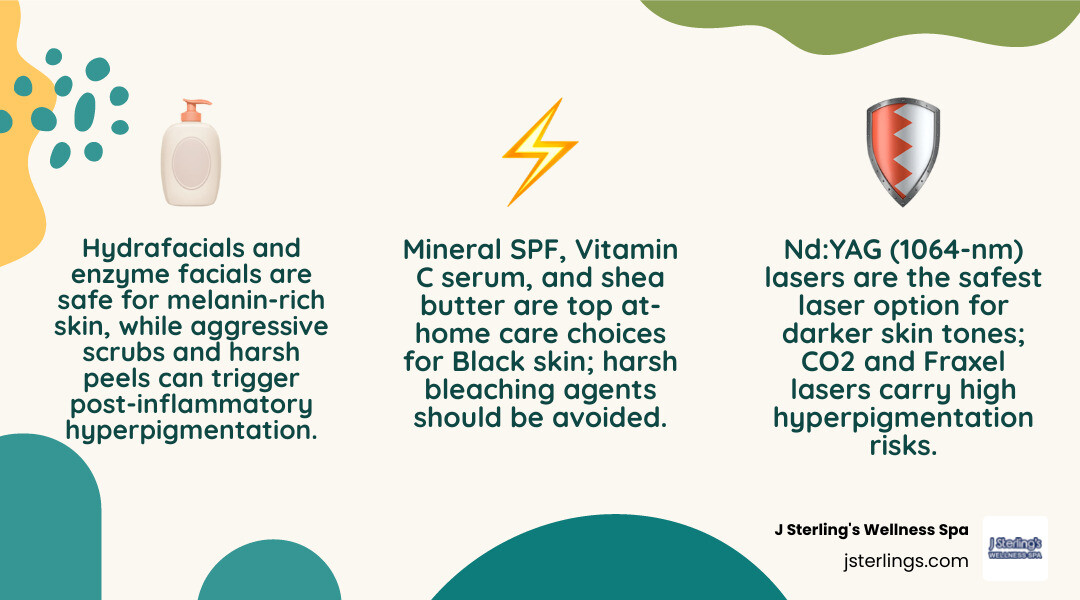
| Facials | Hydrafacial, enzyme facials, gentle extractions | Aggressive scrubs, harsh peels |
| Chemical Peels | Light glycolic or lactic acid peels | Deep chemical peels |
| Lasers | Nd:YAG (1064-nm wavelength) | CO2 laser, Fraxel laser |
| Exfoliation | Microdermabrasion, mandelic acid | Traditional dermabrasion |
| At-Home Care | Vitamin C serum, mineral SPF, shea butter | Harsh bleaching agents |
The core issue comes down to melanin. Darker skin contains more active melanocytes — the cells that produce pigment. When skin is irritated or inflamed, those cells can go into overdrive, causing post-inflammatory hyperpigmentation (PIH). This means a treatment that is perfectly safe for lighter skin can leave a dark spot on Black skin.
Conditions like melasma, keloids, and eczema are also more common — or look different — in people with deeper skin tones. That makes choosing the right facial and the right provider genuinely important.
I’m Max Thakkar, MSc, MBA, Chief Marketing Officer at J Sterling’s Wellness Spa in Orlando, where our licensed therapists have extensive experience delivering safe, effective facials for black skin across our six locations. In this guide, I’ll walk you through everything you need to know — from which treatments are safe to how to prep your skin and what to ask before you book.
Understanding Melanin-Rich Skin and Common Conditions
To understand why specialized care is necessary, we must first look at the unique biological makeup of melanin-rich skin. Dermatologists classify skin using the Fitzpatrick scale, which ranges from Type I (very fair, always burns) to Type VI (deeply pigmented, rarely burns). Black skin typically falls within Types IV through VI.
At a cellular level, the difference lies in the melanosomes—the tiny packages that store and transport pigment. Melanin-rich skin features larger, more mature melanosomes that are distributed individually throughout the upper layers of the skin, rather than in clusters. This skin structure contains a higher ratio of eumelanin (brown-black pigment) compared to pheomelanin (red-yellow pigment).
While this biological setup provides beautiful, inherent protection against UV rays and slows down the visible signs of aging, it also makes the skin highly reactive to inflammation. When the skin experiences trauma—whether from an aggressive facial, a popped pimple, or a harsh product—the melanocytes go into overdrive. This defense mechanism is what leads to post-inflammatory hyperpigmentation (PIH).
To keep your skin healthy, it is vital to know your skin profile. You can learn more about identifying your specific needs in our guide on Understanding your skin type. For those interested in the deeper science, you can read the Scientific research on melanin-rich skin biology to see how these cellular differences impact daily care.
Beyond hyperpigmentation, several other skin conditions present uniquely in darker skin tones:
- Melasma: This condition causes brown, gray-brown, or blue-gray patches on the face, usually triggered by hormonal changes and sun exposure. Fairer-skinned individuals are much less likely to experience melasma than those with darker skin.
- Eczema (Atopic Dermatitis): Did you know that eczema is the second most common skin ailment for African Americans, right behind acne? On lighter skin, eczema looks bright red and flaky. On darker skin, however, it often presents as dry, itchy patches that look more purple, brown, or ash-gray, making it harder to diagnose without experience.
- Dermatosis Papulosa Nigra (DPN): These are small, harmless, raised dark brown or black spots that resemble freckles. They typically appear on the cheeks and around the eyes, starting in adolescence and growing in size and number with age.
- Pseudofolliculitis Barbae (PFB): Often called razor bumps, this painful condition is caused by the distinct, curved shape of the hair follicle in Black and Hispanic individuals. When shaved or plucked, the curly hair bends back and grows into the skin, causing inflammation that looks like acne but is actually an ingrown hair response.
- Keloid Scarring: People with darker skin tones are more genetically prone to keloids, which are smooth, hard, raised growths of extra scar tissue that expand beyond the boundaries of the original skin injury.
Safe and Effective Facials for Black Skin
Because melanin-rich skin is so sensitive to inflammation, the golden rule of facial treatments is simple: gentle is key. Aggressive physical scrubs, rough extraction tools, and deep chemical peels can disrupt the skin barrier and leave behind lasting dark spots.
Fortunately, there are several highly effective, non-thermal, and non-invasive facial treatments designed to rejuvenate your skin safely:
1. Hydrafacials
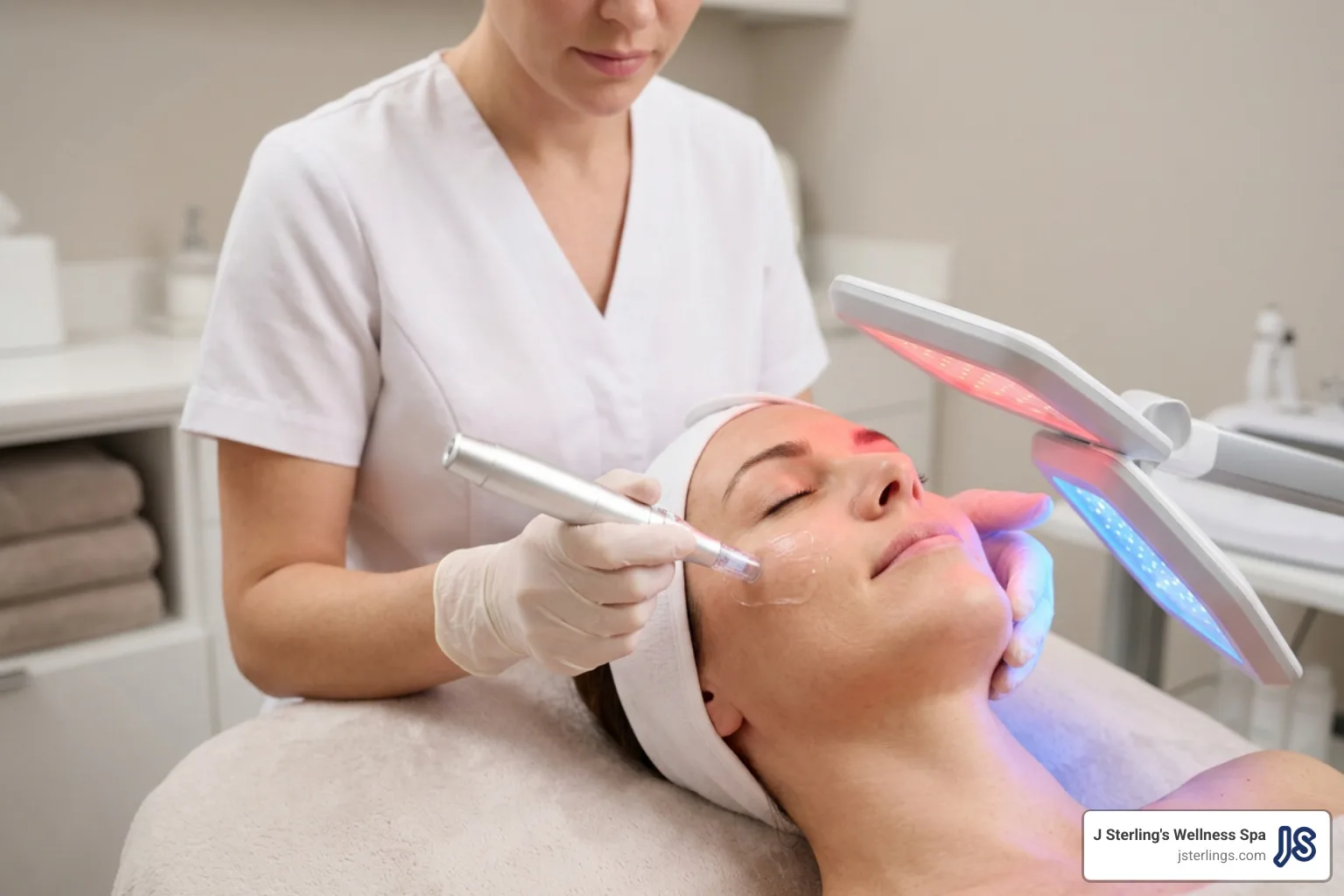
A Hydrafacial is one of the absolute best treatments for melanin-rich skin. Instead of using physical crystals or harsh manual scrubbing, it utilizes a patented vortex-fusion technology to cleanse, exfoliate, extract, and hydrate the skin simultaneously. Because it does not rely on heat or aggressive friction, there is virtually zero risk of triggering PIH. It is fantastic for deeply hydrating dry skin, clearing out pores, and leaving you with an instant glow. You can explore our options by reading More info on Hydrafacial services.
2. Microdermabrasion (Diamond Tip)
While traditional, aggressive dermabrasion is highly risky for darker skin because it can cause severe discoloration and scarring, modern microdermabrasion is safe when done correctly. Diamond-tip microdermabrasion gently sweeps away dead, dull surface cells without using loose crystals or high-heat energy. It helps smooth out skin texture, minimize the appearance of pores, and allows your daily skincare products to absorb much better.
3. Light Chemical Peels
You do not need to shed your skin like a snake to get incredible results. For Black skin, light chemical peels—often called “lunchtime peels”—are highly effective. They target only the dead surface layer of the skin to encourage cell turnover without causing deep trauma.
- Lactic Acid: Derived from milk, this is a gentle alpha-hydroxy acid (AHA) that exfoliates while acting as a humectant, pulling moisture into the skin.
- Mandelic Acid: Derived from bitter almonds, mandelic acid has a larger molecular size, meaning it penetrates the skin slowly and evenly, making it incredibly safe for sensitive, dark skin.
- Glycolic Acid: A light glycolic peel is excellent for brightening skin tone and fading dark spots when kept at a low, controlled concentration.
To learn more about how we customize these treatments, check out More info on chemical peels.
4. Gentle Extractions
Congested pores and acne can be frustrating, but aggressive squeezing is a recipe for hyperpigmentation. Professional, gentle extractions should always be performed by a licensed aesthetician who knows how to apply proper pressure without damaging the surrounding tissue. In fact, if you are visiting a new aesthetician for the first time, it is often wise to focus on hydration and barrier prep, saving deep extractions for your second visit once they understand how your skin reacts. Read More info on extractions to see how we safely clear congestion.
To see how modern skincare science is moving away from aggressive peeling and toward barrier-supportive treatments, you can read this Clinical research on gentle resurfacing, which highlights why avoiding visible peeling and irritation is the safest path to a radiant complexion.
Laser Treatments: What is Safe for Darker Skin Tones?
For a long time, there was a widespread myth that people with darker skin tones should avoid lasers entirely. In the early days of laser technology, this was unfortunately somewhat true—older lasers could not distinguish between the melanin in the hair or skin imperfections and the melanin in the surrounding healthy skin, leading to severe burns and hypopigmentation (loss of skin color).
Thankfully, technology has evolved. Today, laser treatments are highly safe and effective for Black skin, provided the correct equipment is used.

The Safest Laser: The Nd:YAG Laser (1064-nm Wavelength)
If you are seeking laser hair removal or skin rejuvenation, the Nd:YAG laser operating at a 1064-nm wavelength is the gold standard.
Why is it so safe? The Nd:YAG features a longer energy wavelength that penetrates deeper into the tissue, completely bypassing the melanin in the surface layer (epidermis) of your skin. It delivers its energy directly to the deeper hair follicle or collagen layers, reducing interaction with surface pigment and keeping your skin safe.
Lasers to Avoid
- CO2 Lasers: These are fully ablative lasers that remove the outer layers of skin using high heat. They carry an extremely high risk of causing permanent hyperpigmentation or hypopigmentation patches on darker skin.
- Fraxel (Ablative) Lasers: While great for lighter skin, traditional Fraxel lasers can be too aggressive and hot for melanin-rich skin.
If you are looking for non-laser ways to stimulate collagen, reduce acne, and calm inflammation without heat, LED therapy is a fantastic alternative. You can find More info on LED light therapy to see how light wavelengths can safely beautify your skin.
How to Prepare for Your Melanin-Focused Facial
A successful facial starts long before you sit in the treatment chair. Proper preparation ensures your skin barrier is strong and minimizes the risk of post-treatment irritation.
Here is your pre-facial checklist:
- Stop Retinoids One Week Prior: If you use over-the-counter retinol or prescription-strength retinoids (like tretinoin), stop using them at least seven days before your appointment. Retinoids sensitize the skin and thin the outer layer, making you highly susceptible to burns or irritation from facial active ingredients.
- No Pimple-Popping: We know it is tempting, but please do not pop, squeeze, or pick at any blemishes before your facial. Popping pimples creates open wounds and triggers the inflammatory cascade, making it much harder for your aesthetician to treat the area safely without leaving a dark spot.
- Hydrate Your Skin Barrier: In the days leading up to your facial, focus on hydration. Use gentle, non-stripping cleansers and moisturizers rich in hyaluronic acid, ceramides, or shea butter. A hydrated skin barrier heals faster and responds better to treatments.
- Book a Consultation First: If you are dealing with active skin issues like severe eczema, melasma, or razor bumps, always schedule a pre-treatment consultation. This allows us to analyze your skin under a magnifying lamp and customize a plan specifically for you.
For step-by-step guidance on keeping your skin balanced at home, take a look at our guide on How to build a safe skincare routine.
Choosing the Right Provider for Melanin-Rich Skin Care
The most advanced skincare technology in the world is only as good as the hands operating it. When it comes to facials for black skin, choosing an experienced, licensed provider who understands the biology of melanin is the single most important decision you can make.
State regulations for aesthetic and laser technicians vary wildly. In some areas, cosmetic procedures can be performed with minimal training. That is why you must advocate for your skin and vet your provider carefully.

At J Sterling’s Wellness Spa, we pride ourselves on our highly trained, licensed therapists who understand how to adjust treatment protocols for all Fitzpatrick skin types. If your skin is highly reactive, we often recommend starting with a specialized Sensitive skin facial to gently nourish your skin while we evaluate its tolerance.
Key Questions to Ask Before Booking Facials for Black Skin
Before you book an appointment at any spa, call ahead or ask your aesthetician these essential questions during your consultation:
- “Do you have specific training in treating Fitzpatrick Skin Types IV through VI?”
- “What steps do you take to customize facial treatments and chemical peels for melanin-rich skin to prevent hyperpigmentation?”
- “If we are doing a laser treatment, do you use a long-pulse Nd:YAG laser with a 1064-nm wavelength?”
- “Can I see before-and-after photos of clients with skin tones similar to mine whom you have personally treated?”
Why Experience with Facials for Black Skin Matters
An experienced aesthetician does not just follow a generic protocol; they understand pigment regulation and inflammation prevention. They know that a slight pinkness on fair skin might indicate a healthy glow, but on darker skin, even minor redness can be a warning sign of impending PIH.
Furthermore, an experienced provider can accurately identify skin conditions that look different on deeper complexions. For instance, they will easily recognize that purpley-brown, non-red patch on your cheek is actually eczema, or that those small dark dots are harmless DPN, and will adjust their tools and products accordingly to keep your skin perfectly safe.
Post-Treatment Care and Daily Maintenance
What you do after your facial is just as important as the treatment itself. Your skin is in a renewal phase, meaning its protective barrier is temporarily delicate.
To lock in your results and prevent complications, follow these essential post-treatment rules:
- Wear Invisible Mineral SPF 30+ Daily: Sunscreen is non-negotiable. UV rays are the primary trigger for hyperpigmentation, and post-treatment skin is highly sensitive to the sun. Many traditional mineral sunscreens leave an unflattering white or chalky cast on darker skin tones. Look for modern, “invisible” or tinted mineral formulas designed specifically to blend seamlessly into deeper complexions. To ensure you are fully protected, read about the Top 10 sunscreen mistakes to avoid for healthy skin.
- Focus on Barrier Repair: For the first 3 to 5 days after your facial, put away your exfoliating acids and retinoids. Stick to a simple, hydrating routine. Use a gentle, non-stripping cleanser, a hydrating serum, and a rich moisturizer to support skin recovery.
- Nourish with Shea Butter: Pure, unrefined organic shea butter is a magnificent natural moisturizer for Black skin. It is packed with vitamins and fatty acids that deeply hydrate and soothe dry, irritated skin without clogging pores. You can read up on the Research on facial shea butter benefits to see how it helps lock in moisture and maintain a healthy, radiant glow.
- Avoid Harsh Cleansers: Stay away from cleansers containing harsh synthetic sulfates (like SLS) that strip away your skin’s natural oils. Keeping your skin’s natural moisture intact is key to avoiding that dry, “ashy” appearance.
Frequently Asked Questions about Facials for Black Skin
Can I use African black soap on my face daily?
Traditional, authentic African black soap—made from plant ash, palm kernel oil, and unrefined shea butter—is a wonderful natural cleanser. Because it is made via traditional saponification, it retains a high fraction of unsaponified shea butter, making it much gentler than commercial soaps made with synthetic lye or harsh surfactants.
However, because it is highly effective at absorbing oil, daily use can sometimes be too drying for sensitive facial skin. If you are new to it, expect a 1 to 2-week skin adjustment period where your skin might feel slightly tight as it adjusts. We recommend using a pea-sized amount, lathering it in your hands first (never rub the bar directly on your face), leaving it on for no more than 30–60 seconds, and always following up within 30 seconds with a rich moisturizer like baobab oil or shea butter on damp skin. For a detailed breakdown, check out this Guide to using African black soap correctly.
Are deep chemical peels safe for darker skin tones?
No, deep chemical peels should be avoided on Black skin. Deep peels penetrate into the lower layers of the dermis, causing significant trauma and skin shedding. On darker skin tones, this level of injury carries a very high risk of causing permanent hypopigmentation (white patches), severe hyperpigmentation, or scarring.
Instead, opt for light to medium glycolic, lactic, or mandelic acid peels. These gentle alternatives deliver beautiful, progressive brightening results over a series of sessions without the risks or downtime of deep peels.
How often should I get a facial for hyperpigmentation?
To effectively treat stubborn hyperpigmentation, consistency is key. We typically recommend getting a professional facial once every 3 to 4 weeks. This timeline aligns perfectly with your skin’s natural cellular turnover cycle (which takes about 28 to 30 days).
By receiving regular, gentle treatments, you continuously encourage old, pigmented cells to shed while supporting the growth of fresh, evenly toned skin. Over time, these cumulative results will reveal a brighter, smoother, and more radiant complexion. To learn more about the long-term rewards of consistent skin treatments, read about the Benefits of regular facials.
Conclusion
Your skin is unique, beautiful, and deserves customized care that respects its biology. When looking for facials for black skin, you do not have to choose between safety and visible results. By selecting gentle, barrier-supportive treatments, using the correct laser technology, and prepping your skin properly, you can safely fade dark spots, combat acne, and achieve a gorgeous, healthy glow.
At J Sterling’s Wellness Spa, we believe that high-quality, professional skincare should be accessible to everyone. We offer budget-friendly luxury across our six convenient Orlando locations, backed by licensed therapists who are deeply experienced in caring for melanin-rich skin.
Are you ready to give your skin the expert care and pampering it deserves? Book your professional facial today at J Sterling’s Wellness Spa, and let us help you activate your ultimate glow!